Tomahawk Kit
Tomahawks come in a variety of shapes and designs, each offering different characteristics for throwing. The main differences are the weight, head shape, handle length and overall balance. These features can affect how the tomahawk feels in the hand and how it rotates during a throw.
The important point is that different tomahawks can require slightly different throwing because their weight, balance and rotation, in short characteristics vary.

Norse Hawk
A larger, traditional-style hawk with a substantial head and longer handle. Its size and weight can provide a steady, predictable rotation when used for throwing. Scout ranges cut down the handle to around 16" or 400mm
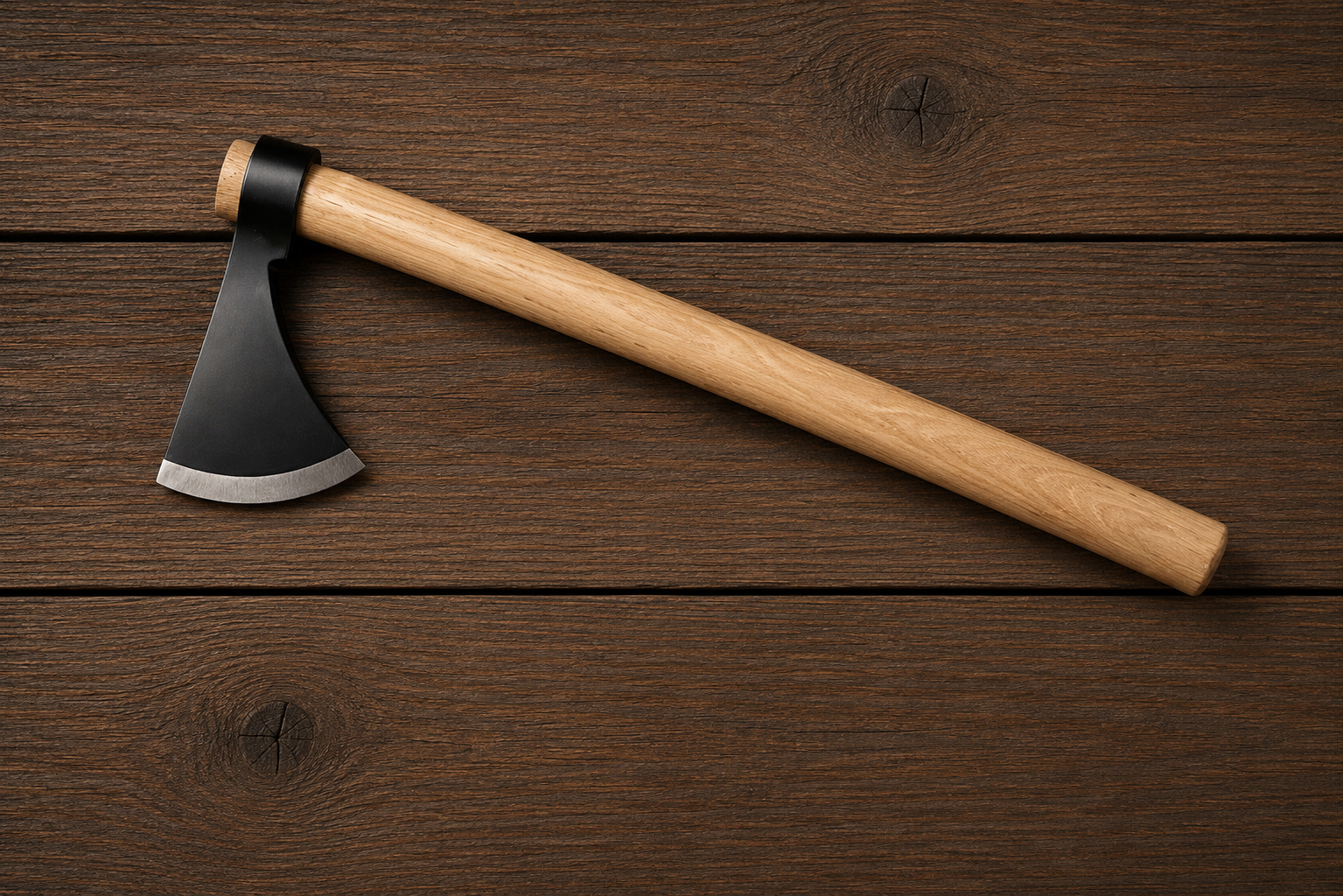
Frontier Hawk
A popular style with a strate top and broad edge and relatively straightforward design. It is commonly used as a lighter option to the norse hawk, useful for cub scout age or smaller scouts.
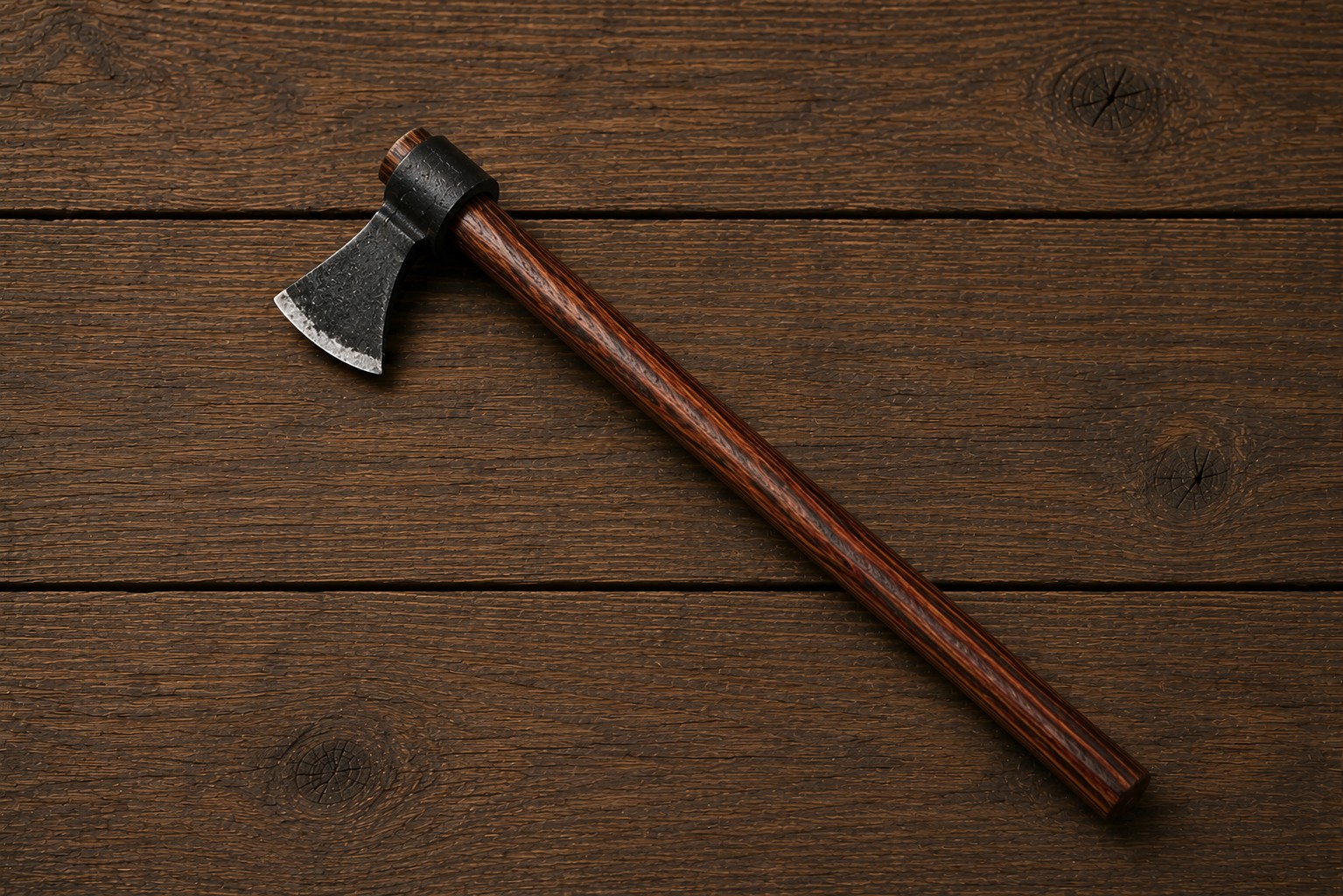
Mouse Hawk
A smaller and much lighter hawk designed for a more compact feel. Its reduced size can make it easier to handle, particularly for beginners or those who prefer a lighter throwing tool. Must be sharp to stick or a very soft target.
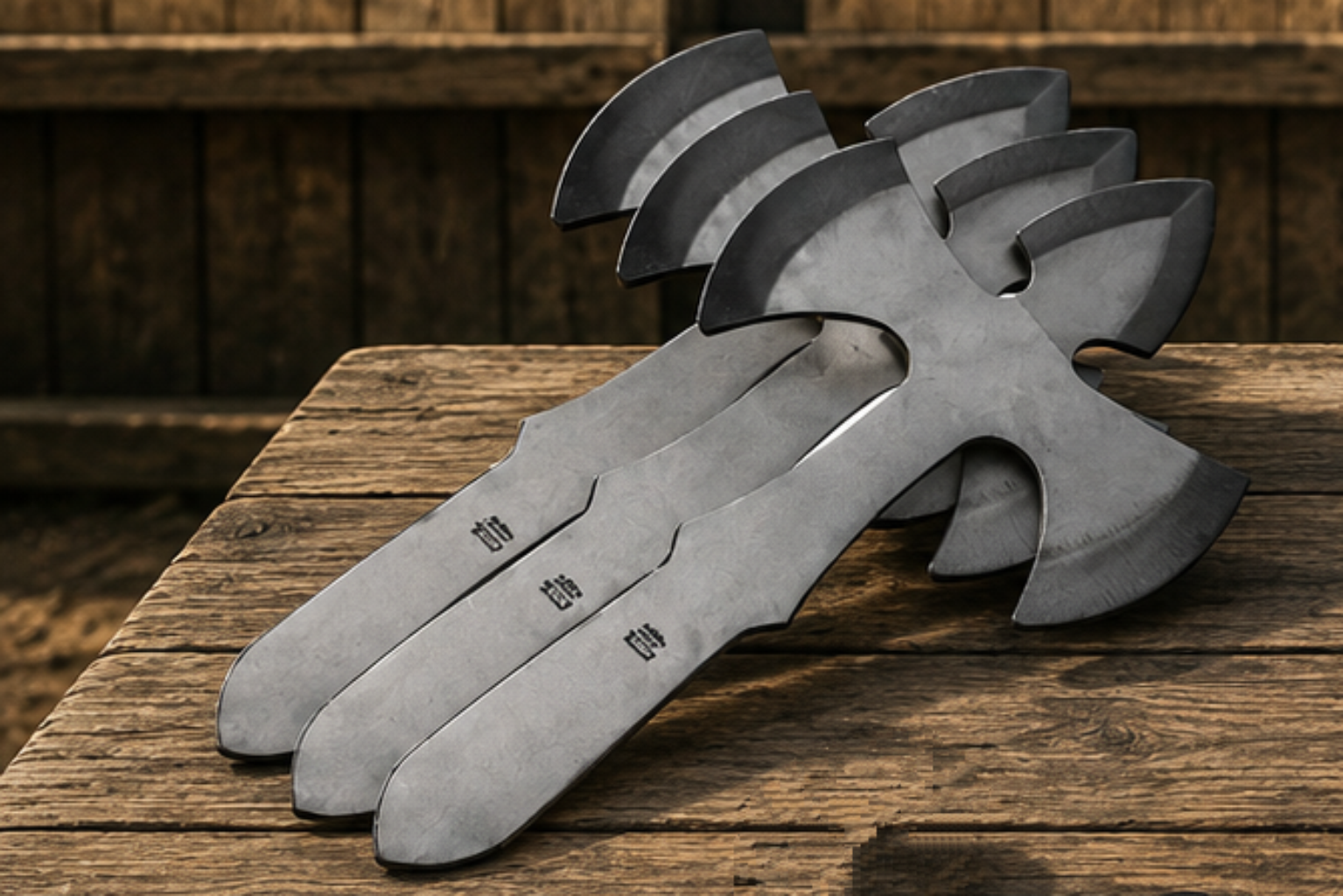
Angel or Small Hawk
A compact throwing hawk with a distinctive multi-point head design. These are generally lighter and are often used in recreational tomahawk throwing
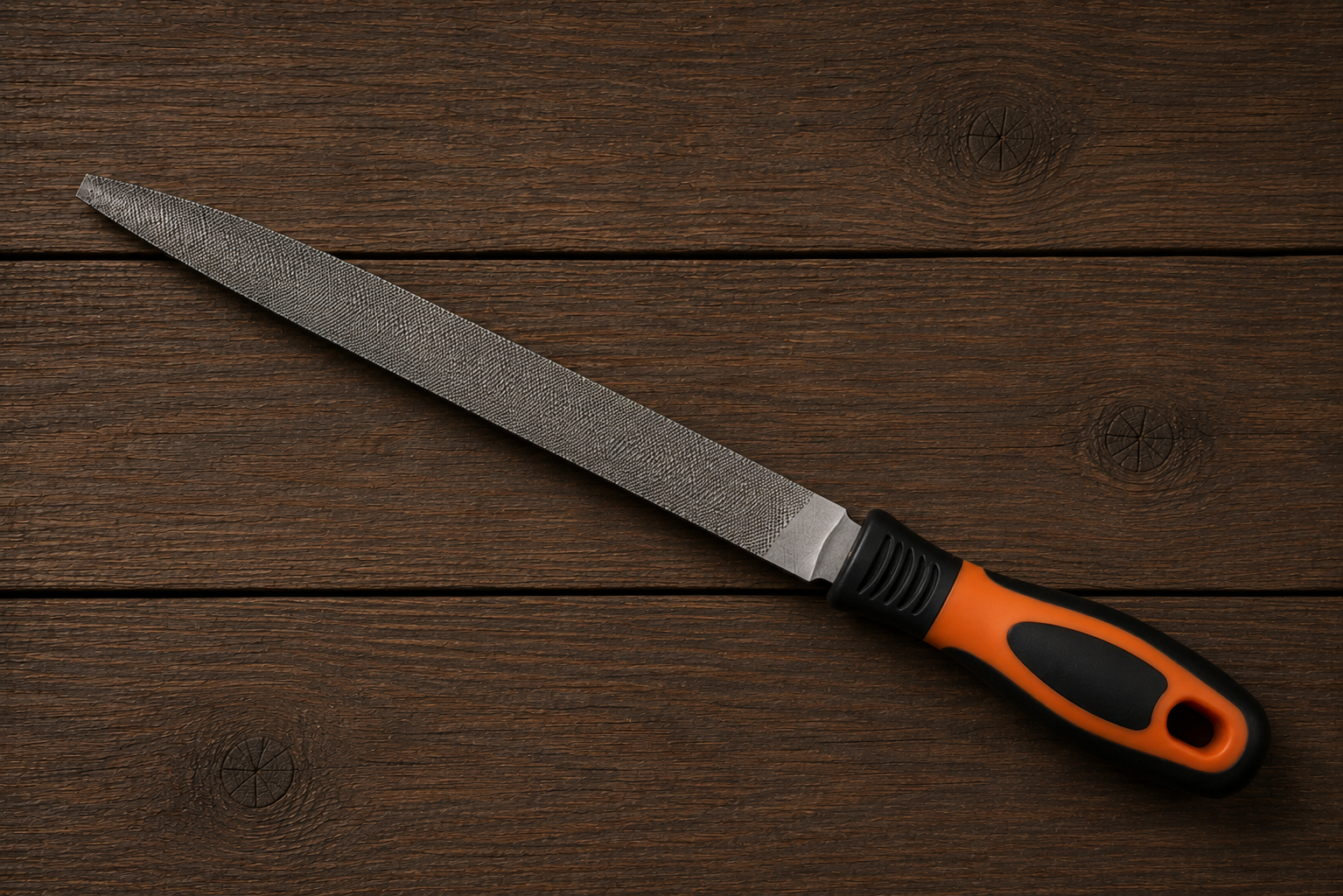
The File
Field maintenance: Files are portable and practical for quick touch-ups on metal heads between throwing sessions. They allow small burrs or rough edges caused by clashing to be safely removed without the need for heavy grinding equipment. Always check for Burrs before use of Kit.
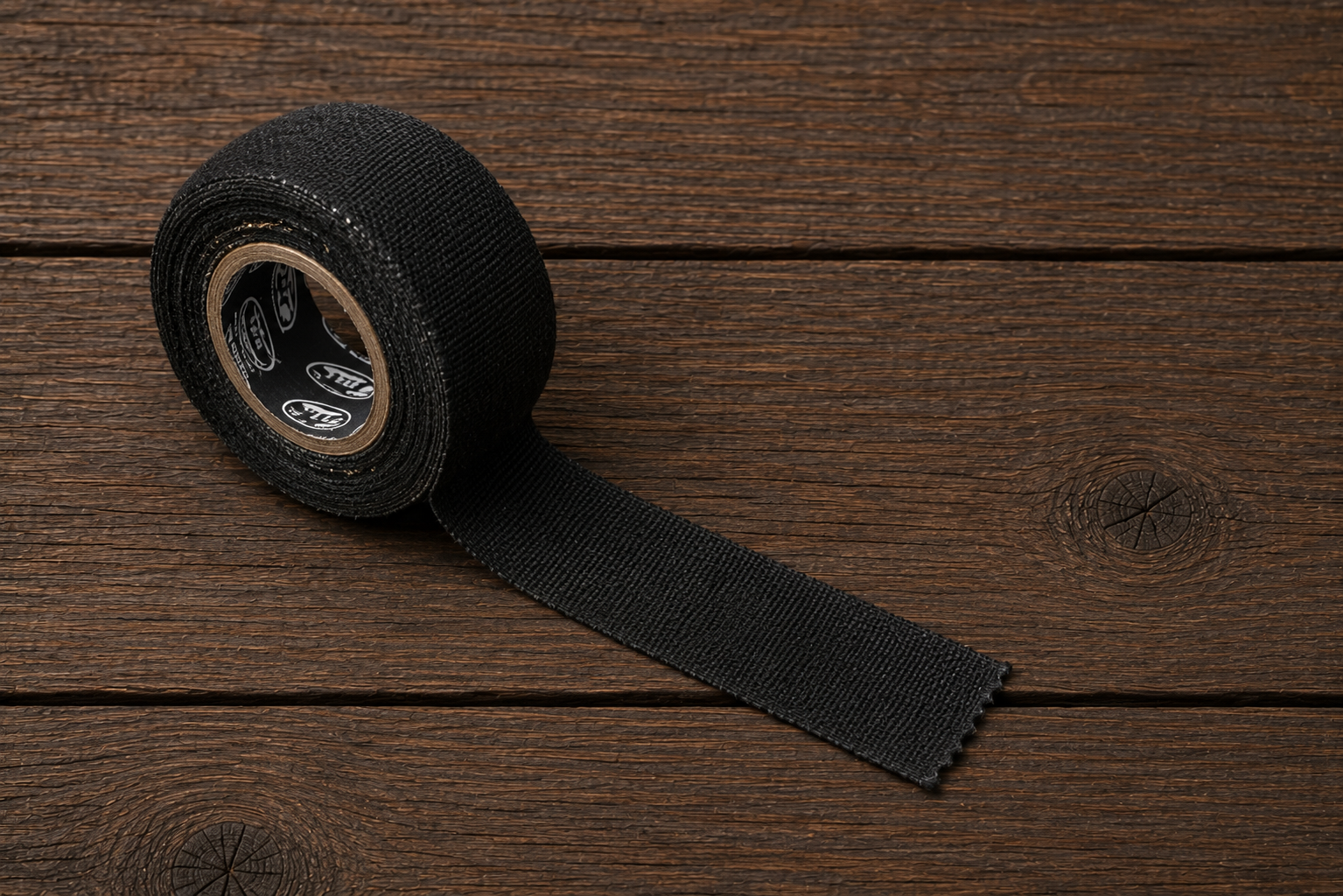
The Tape
A few wraps of Zinc Oxide Athletic Tape (100% cotton) can be used as a shim between the handle and metal head to help tighten a loose-fitting head. It is recommended to fit the head this way rather than relying on the grub screw, as repeated use of the grub screw can cause damage to the handle over time. Always check that the head is secure before use.
Tomahawk Types FAQs
What are the main types of tomahawk used for throwing?
There are many tomahawk designs, but common throwing styles include the Norse Hawk, Frontier Hawk, Mouse Hawk and smaller Angel or Small Hawks. Each has different characteristics that can affect handling and throwing technique.
What is the difference between tomahawk types?
The main differences are the weight, head shape, handle length and overall balance. These characteristics affect how the tomahawk feels in the hand and how it rotates during a throw.
Which tomahawk is best for a beginner?
A lighter tomahawk can be easier for a beginner to handle and control. The most suitable choice will depend on the participant's size, strength, experience and the equipment being used by the instructor.
Is a lighter tomahawk easier to throw?
Not necessarily. A lighter tomahawk may be easier to handle, but its weight and balance also affect how it travels and rotates. The best choice is one that the thrower can control consistently.
What is a Norse Hawk?
A Norse Hawk is a larger, traditional-style tomahawk with a substantial head and longer handle. On Scout ranges, the handle may be shortened to around 16 inches (400 mm), depending on the equipment and activity.
Is a Norse Hawk suitable for Scouts?
A Norse Hawk can be used in an appropriately organised Scout activity where the equipment, throwing technique, supervision and activity requirements are suitable. Its larger size and weight mean that appropriate instruction is particularly important.
What is a Frontier Hawk?
A Frontier Hawk is a popular style with a relatively simple head shape, a straight top and broad cutting edge. It is generally lighter than a larger Norse Hawk and can be useful where a lighter throwing tool is appropriate.
What is a Mouse Hawk?
A Mouse Hawk is a smaller and lighter throwing hawk. Its compact size can make it easier to handle, although its lighter weight and design can require different throwing characteristics from a larger hawk.
What is an Angel or Small Hawk?
An Angel or Small Hawk is a compact throwing hawk with a distinctive multi-point head design. These smaller hawks are generally lighter and are commonly associated with recreational throwing.
The disign was as a training as a side-sticking training knife. It catches the target sideways so beginners don't have to constantly pick up dropped blades. but it not a knife in the true sence with its sides it is in evect a smaill hawk that looks like an Angle.
Does the type of tomahawk change the throwing technique?
The basic throwing principles remain the same, but different tomahawks can behave differently because of their weight, balance, handle length and head design. The throwing distance or release may therefore need to be adjusted.
Why does the same throwing technique work differently with different tomahawks?
Every tomahawk has its own balance and rotation characteristics. A heavier head, longer handle or different centre of gravity can change how the hawk travels through the air.
Does handle length affect tomahawk throwing?
Yes. Handle length affects the balance, feel and rotation of the tomahawk. A longer handle can also change the way the hawk feels during the throwing movement. Shorter also helps a new thrower have more control.
Why are some Scout tomahawk handles shorten
Shortening a handle can make the tomahawk more manageable for the intended activity and participants. The final dimensions should be appropriate for the equipment and activity rather than altered without proper consideration.
Does the weight of the tomahawk matter?
Yes. Weight affects how the tomahawk feels in the hand, how much force is required and how it behaves during rotation. Throwers should use equipment they can control safely and consistently.
Should a child's tomahawk always be lighter?
A lighter tomahawk may be appropriate for some younger or smaller participants, but equipment should be selected according to the individual and the activity rather than age alone. Some time a very small or young thrower can have great fun throing just a handle or even a rubber chickin!
Can different tomahawks be used on the same range?
They can be, provided the range, targets and activity have been assessed as suitable for the equipment being used. Throwing distances may need to be adjusted for different tomahawk designs if this is required have a sepration lane of just run an extra session.
Can I change from one type of tomahawk to another?
Yes, but do not assume that the same throwing distance or release will work with every tomahawk. Give yourself time to understand how the new hawk behaves before making adjustments.
Why does my tomahawk rotate differently from another person's?
Different equipment can rotate differently because of variations in weight, balance, handle length and head design. Differences in throwing technique and release can also affect rotation and factors such as arm length.
Does a tomahawk need to be sharp to throw?
A suitable throwing tomahawk needs an edge capable of penetrating the target correctly. The condition of the edge should be checked regularly, and damaged or unsuitable equipment should not be used.
How should I maintain a tomahawk head?
Inspect the metal head regularly for damage, burrs and rough edges. Minor burrs may require appropriate maintenance, but damaged equipment should be removed from use rather than simply filed or sharpened without assessment.
What are burrs and why should they be checked?
Burrs are small raised areas of metal that can develop on an edge after impacts. They should be identified during equipment checks because they can affect the condition of the cutting edge and safe handling of the equipment. Thrower could be cut when handling by a burre as the can be sharp.
How can a loose tomahawk head be dealt with?
A loose head should be addressed before the tomahawk is used. The head must be securely fitted to the handle, and the equipment should not be used if the head cannot be made secure. Zinc Oxide Athletic Tape might be needed or simply a hard tap home.
Can tape be used to help secure a loose head?
Zinc oxide athletic tape can be used as a shim in some handle and head arrangements to help achieve a secure fit. The head must always be checked before use, and this should not be used to make damaged equipment serviceable.
Should I choose a tomahawk based only on its appearance?
No. Appearance is much less important than suitability. Consider weight, balance, handle length, head design, condition and whether the equipment is appropriate for the intended thrower and activity.
What is the best tomahawk for Scout activities?
There is no single tomahawk that is best for every Scout activity. The equipment should be selected according to the participants, instructor, range, target, throwing technique and the requirements of the activity.
Can beginners use competition-style tomahawks?
Beginners should start with equipment that is appropriate for their experience and the activity. More specialised equipment can be introduced as their skills and understanding develop. But on a standard scout range would not be requried.
What should I check before using any tomahawk?
Check that the head is secure, the handle is sound and the metal head is free from significant damage or dangerous burrs. The tomahawk should be suitable for the activity and the thrower before it is used.
Does the type of tomahawk affect the target?
Different tomahawks can behave differently when they strike a target. The target should therefore be suitable for the equipment being used, and its condition should be checked regularly.
What is more important: the tomahawk or the throwing technique?
Good technique and consistency are more important than simply owning a particular type of tomahawk. The equipment should support the thrower rather than being relied upon to compensate for poor technique.
My Links
Scouing Links
Location: Essex